
AUTOMATIC WEATHER STATIONS
The atmosphere,measured.
Configure sensing, acquisition, power and telemetry around the observation your project needs.
A weather station is a measurement system.
The instrument is only the beginning. Exposure, acquisition, power, communications and data handling determine whether an observation remains useful.
- 01AtmospherePhysical condition
The environmental condition present at a specific place and time.
- 02SensorMeasurement
An instrument converts that condition into a measurable response.
- 03SignalInterface
The response becomes an electrical or digital representation.
- 04AcquisitionTime-stamped record
A logger reads, timestamps and stores the observation.
- 05QualityState and checks
Checks and diagnostics expose whether the record is usable.
- 06TelemetryRemote transfer
Communications move the observation from the field station.
- 07OperationUsable observation
A platform, SCADA or application makes the data available.
- 08DecisionProject purpose
Operational, engineering or research action uses the evidence.
Design the chain before selecting the instrument.
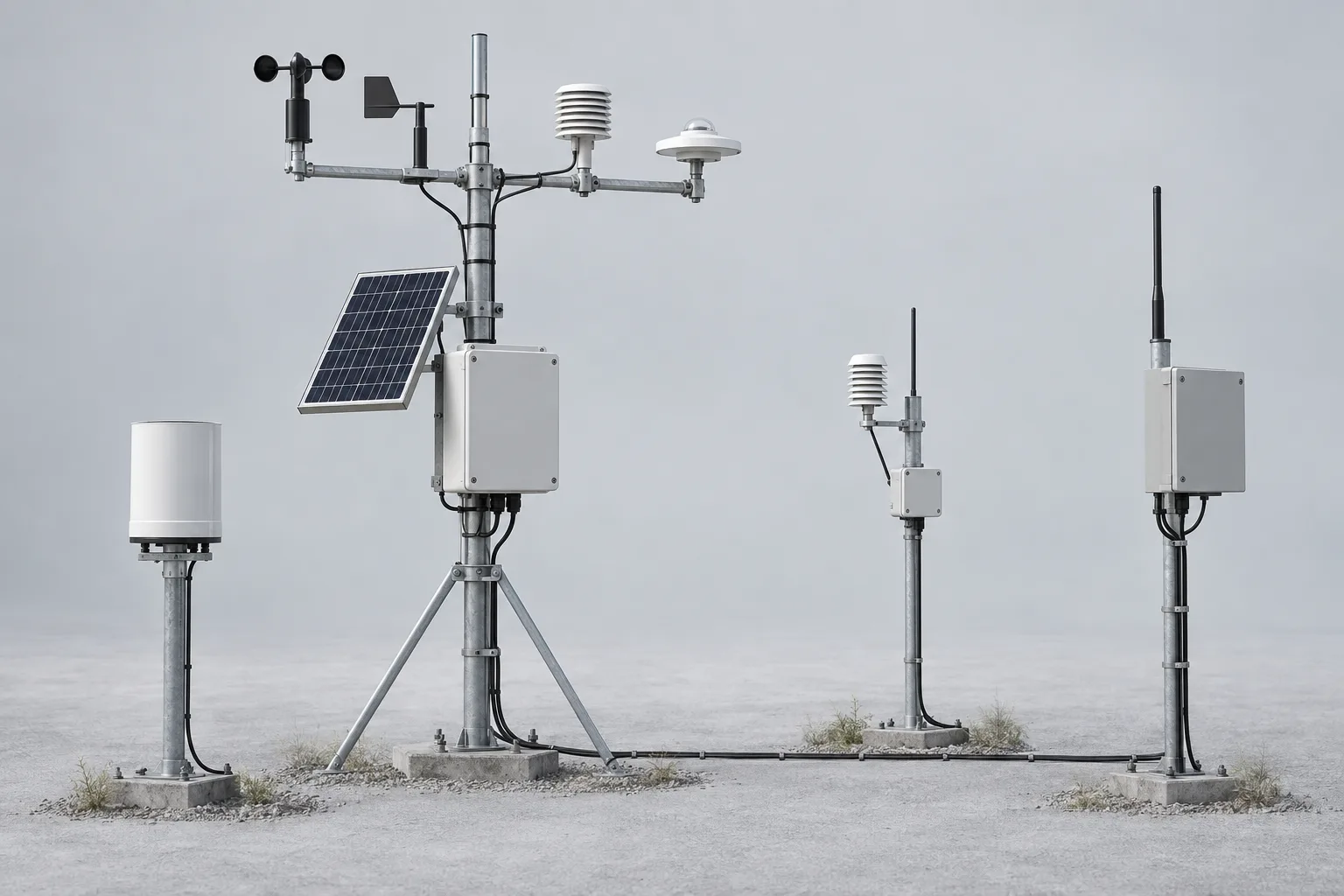
One station. Eight physical roles.
Scroll through the instrument to see what changes in the field, how each measurement enters the system, and where RTPL's product ecosystem may fit.
An unbranded station visualization showing eight sensing and system roles.
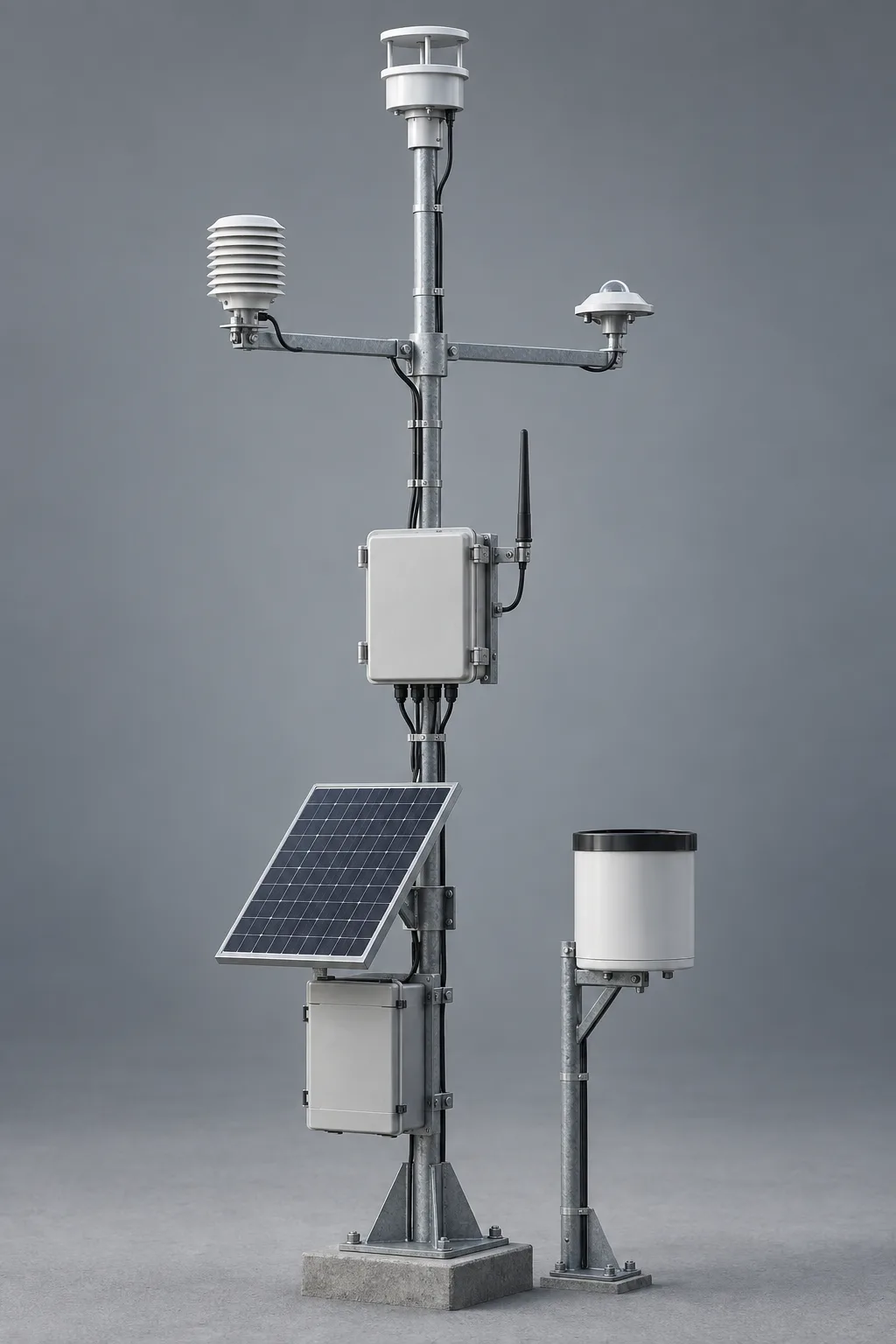
Wind speed and direction
Correct exposure lets the sensor convert airflow into a directional measurement without the mast becoming the dominant influence.
- Into the system
- A digital or analogue signal travels down the mast toward acquisition.
Watch one observation change form.
A measurement becomes operational only after it is acquired, checked, stored and delivered with its system state intact.
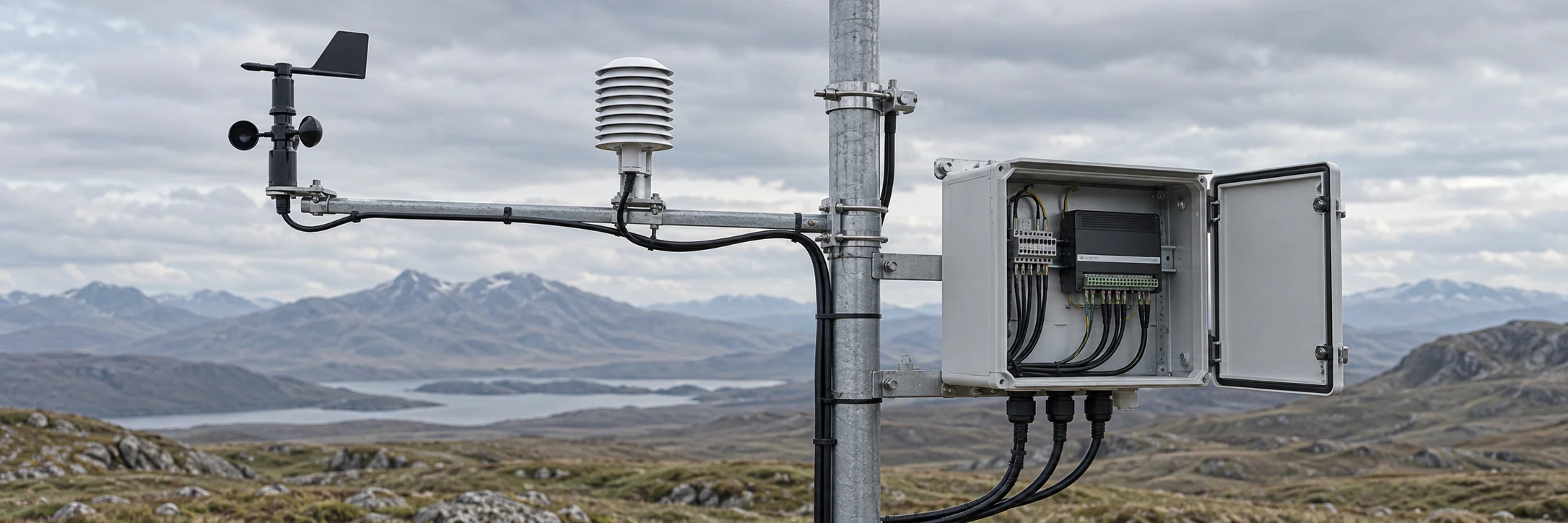 Physical condition
 Interfaces and quality-control behaviour are configured to project requirements; no single data platform is assumed.
Configure around the requirement.
Compact and modular architectures solve different measurement problems. Application-specific systems add only the sensing and resilience the operating context requires.
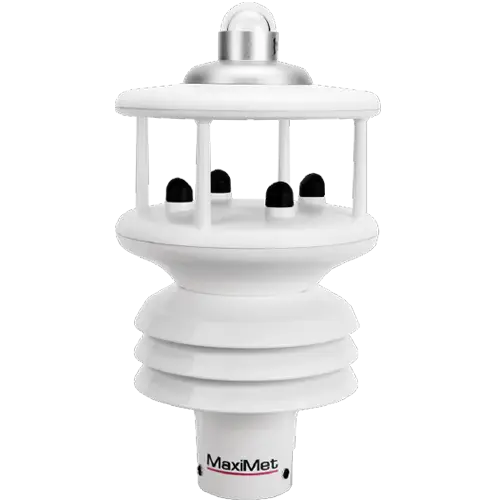
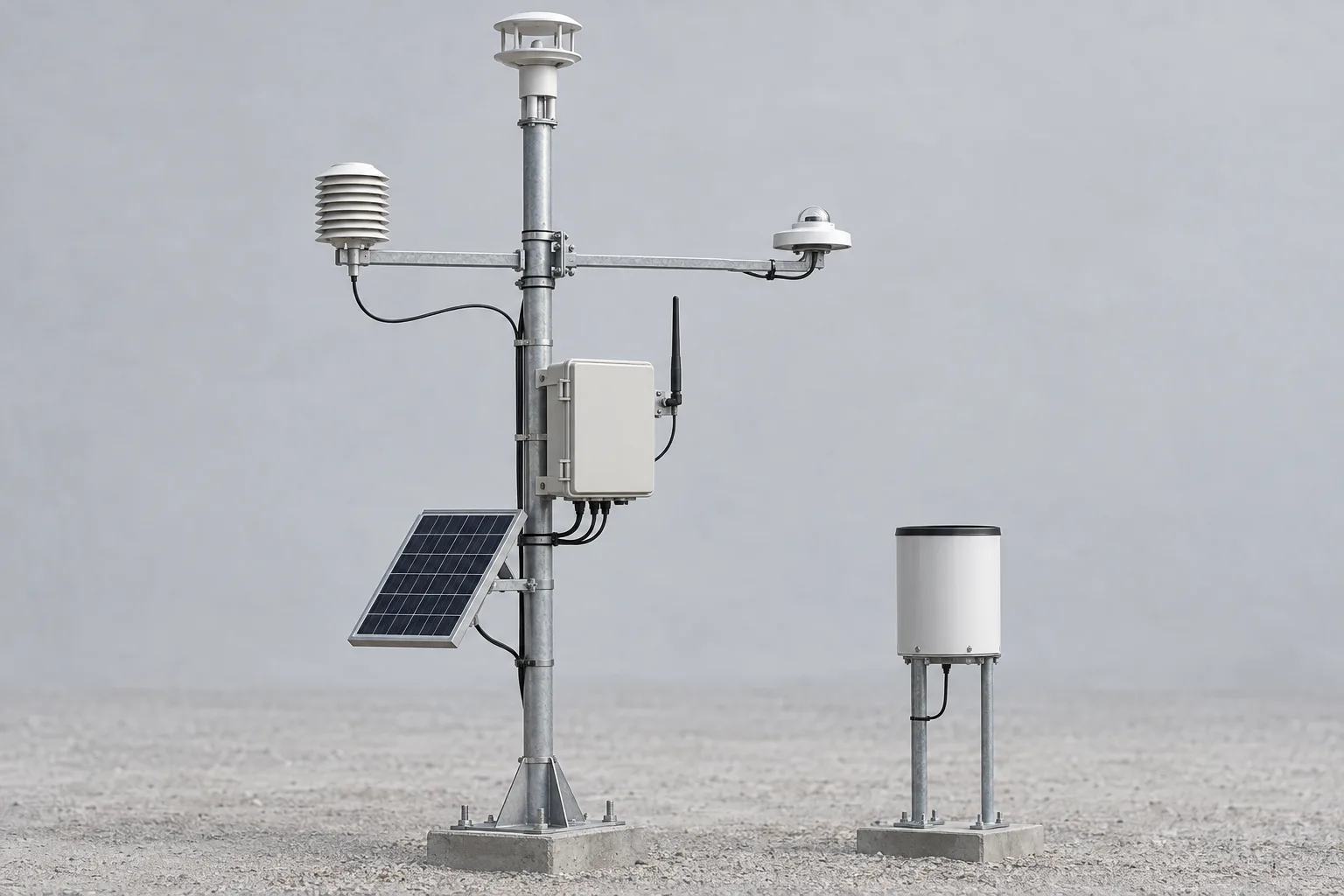
Compact, low-power observation.
Use where installation speed, low maintenance and a small physical footprint matter more than independent sensor siting.
- Engineering trade-off
- One housing simplifies deployment but constrains parameter-specific exposure.
- Relevant product path
- Gill MaxiMet compact weather stations
One architecture. Different consequences.
The measurement objective changes siting, sensor class, communications, service level and the destination of the data.
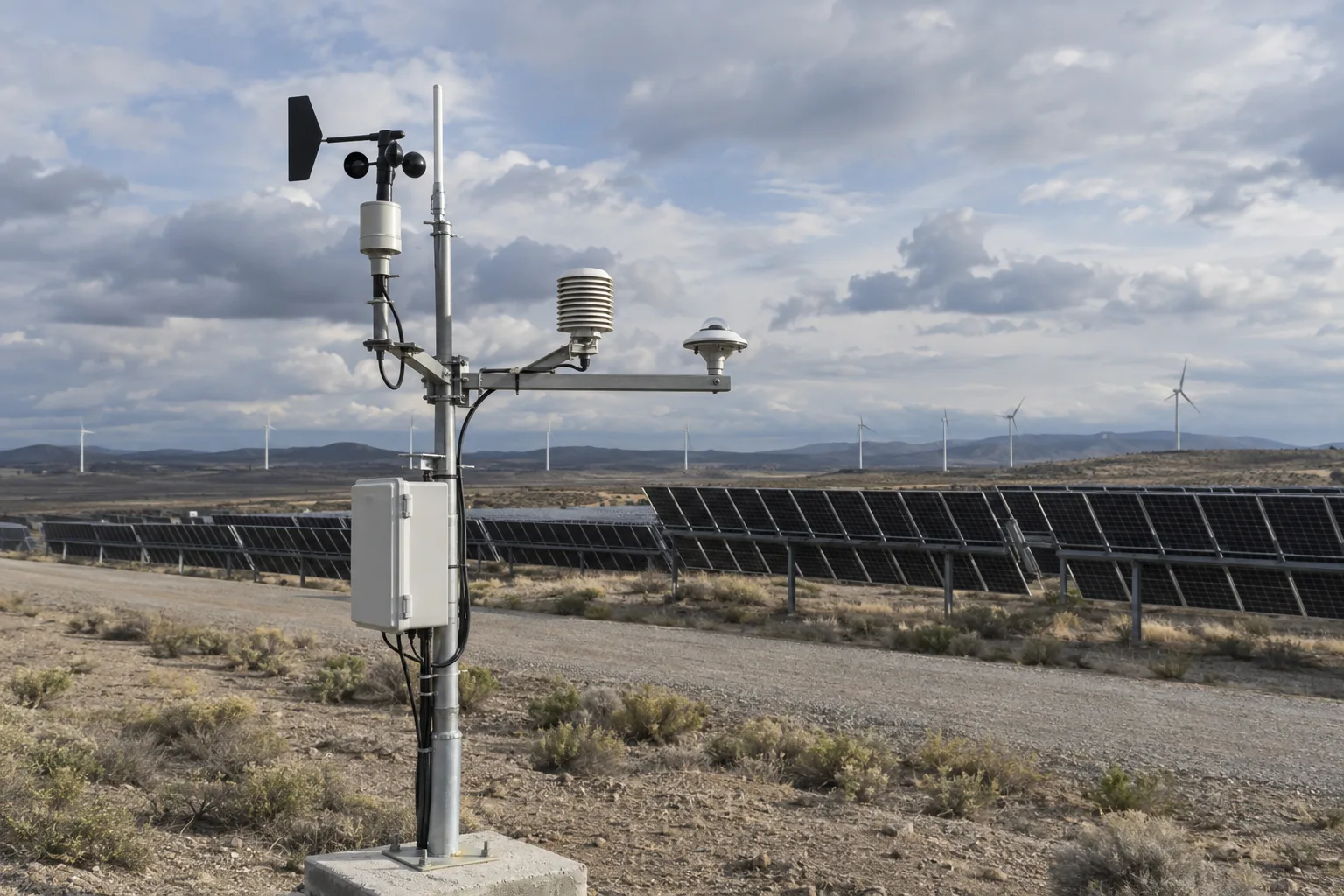
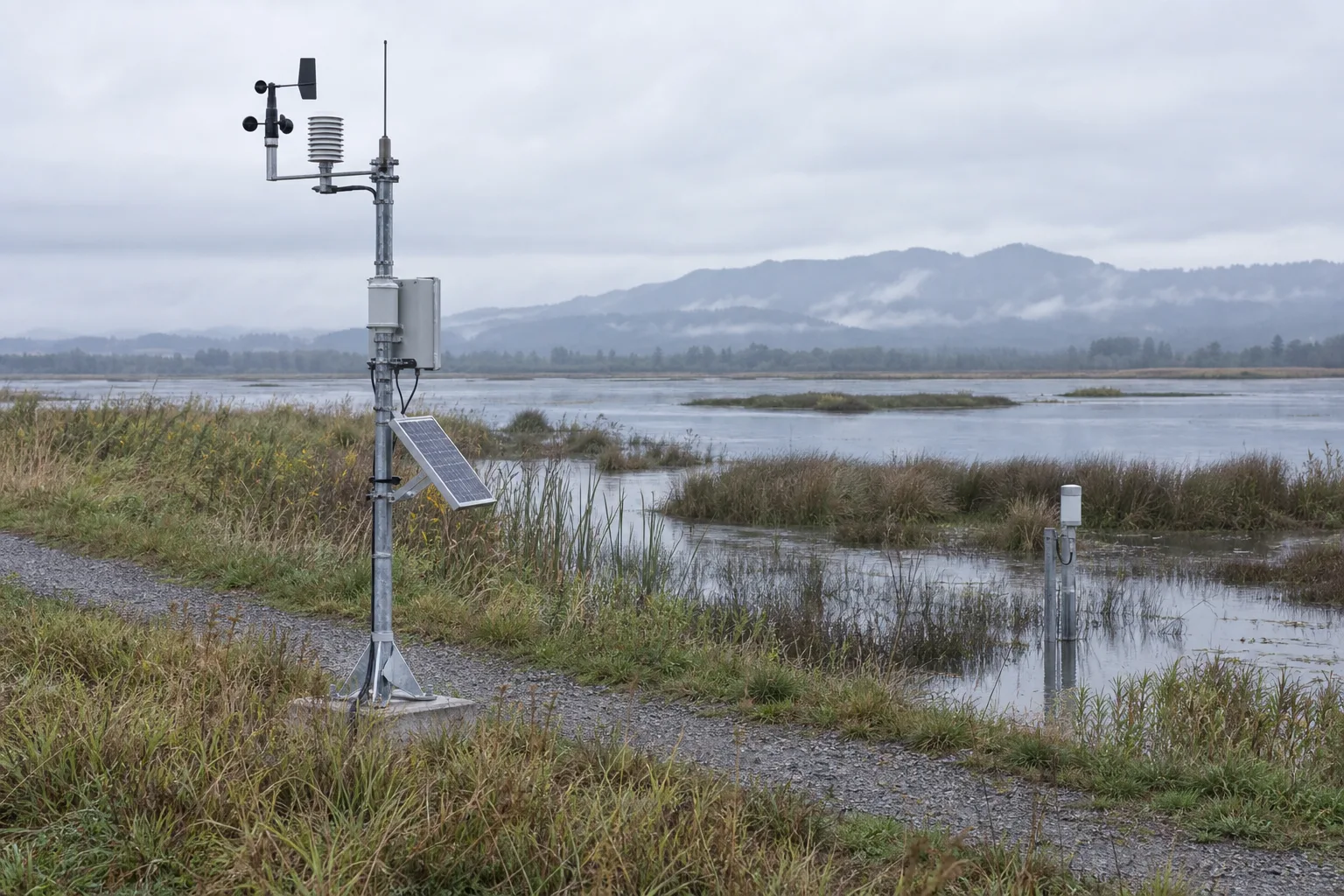
Renewable energy
Resource and plant-performance observations with project-specific positioning and SCADA outputs.
- Measures
- Radiation · wind · temperature · soiling
- System form
- Modular sensing · plant data interface
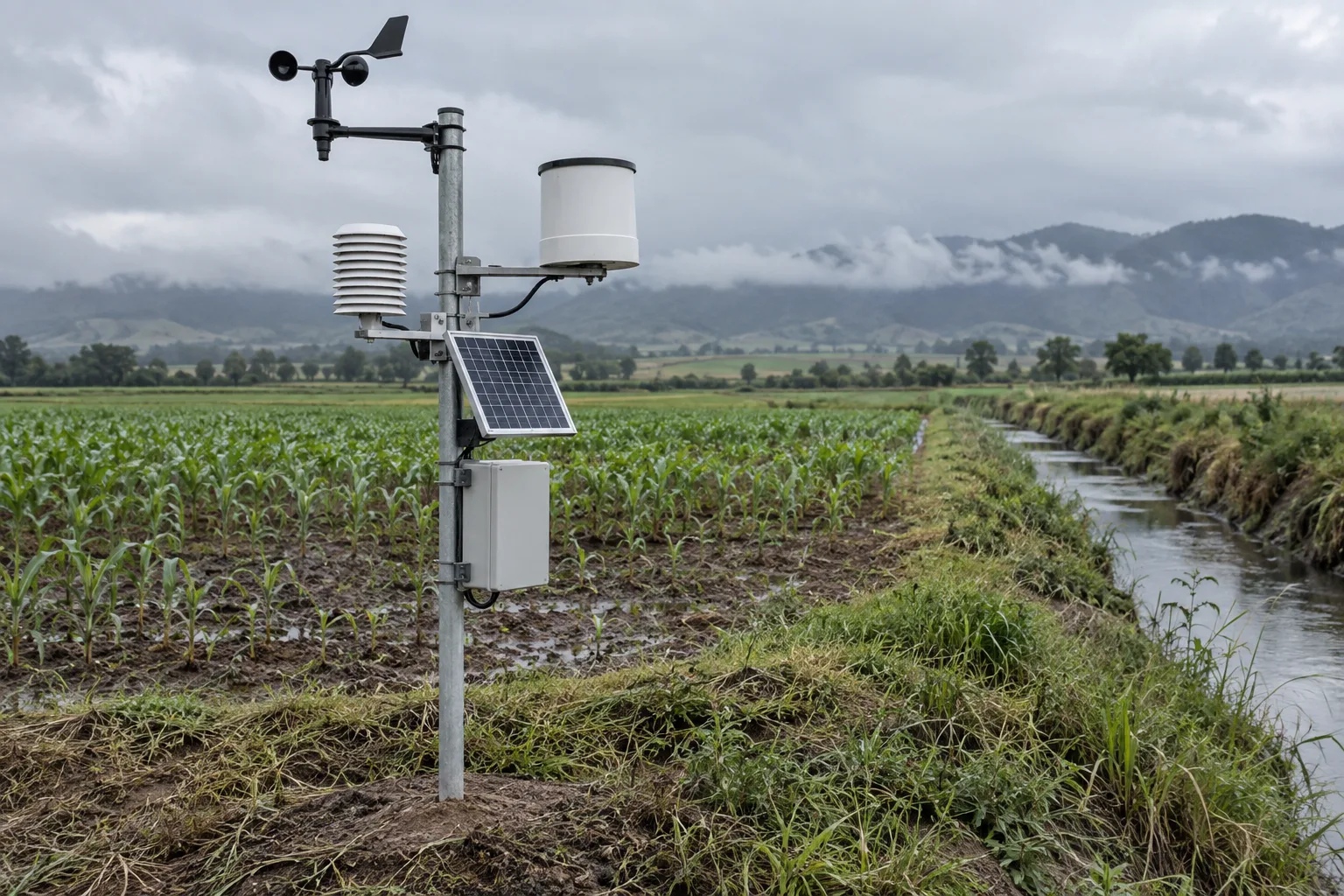
Agriculture & hydromet
Low-power distributed stations supporting field, crop and catchment decisions.
- Measures
- Rain · soil · temperature / RH
- System form
- Distributed nodes · remote telemetry
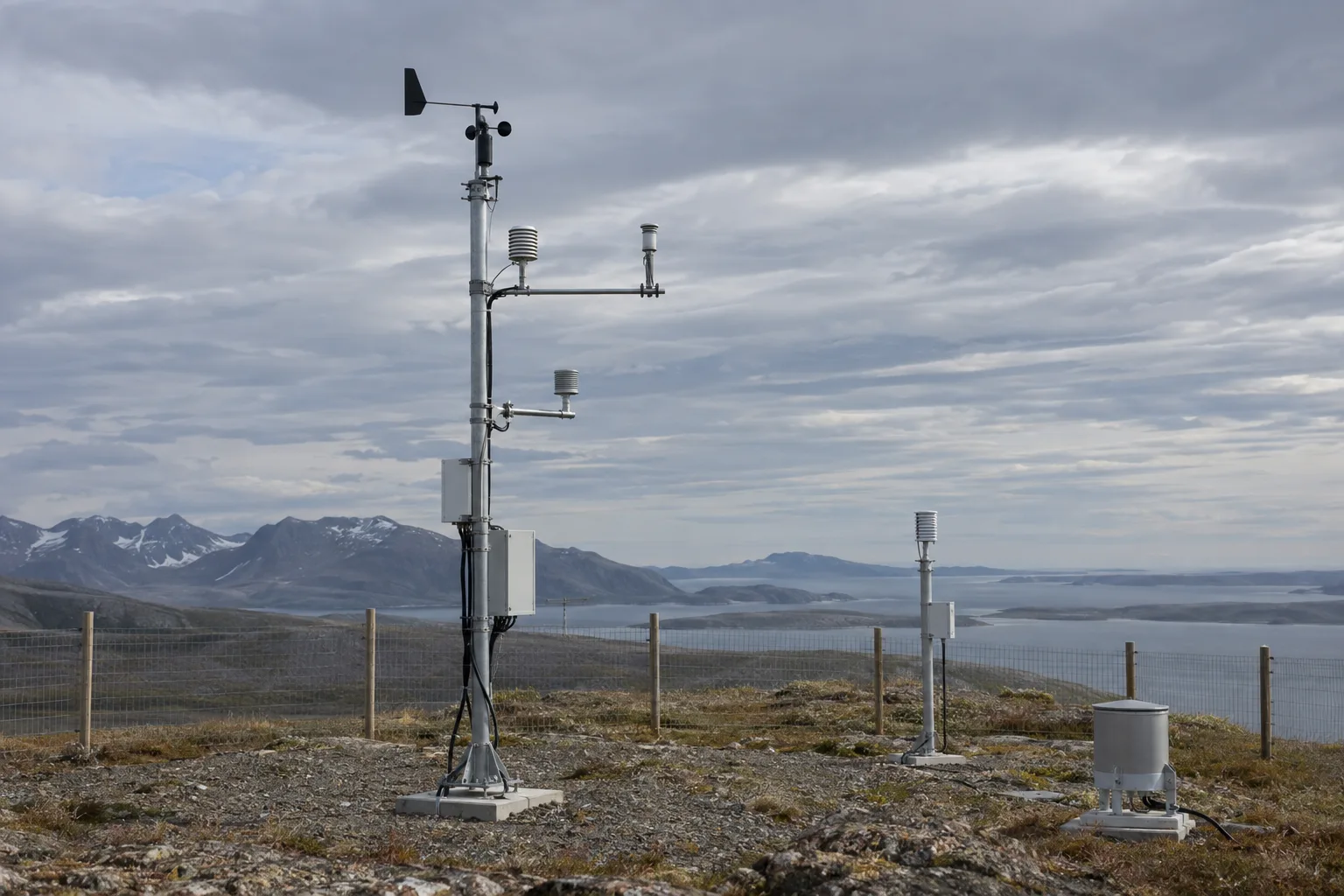
Research meteorology
Traceable modular sensing and transparent data access for a defined study method.
- Measures
- 3D wind · supporting meteorology
- System form
- Higher-rate records · calibration context
Environmental monitoring
Weather context joined to air, water or site-specific environmental parameters.
- Measures
- Core weather · environmental channels
- System form
- Expandable acquisition · field diagnostics
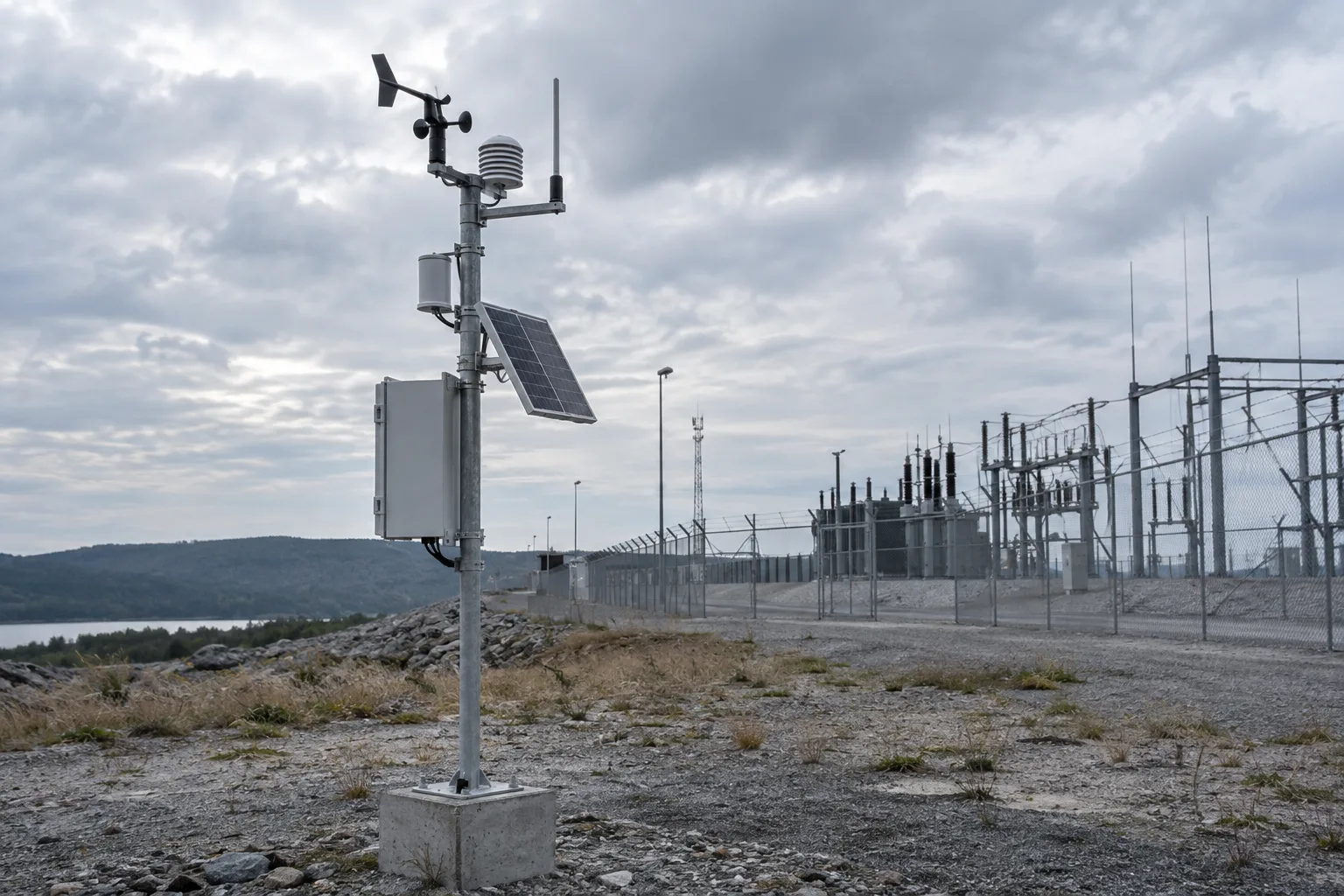
Infrastructure & operations
Resilient observations delivered to site displays, alarms, APIs or control systems.
- Measures
- Wind · precipitation · site conditions
- System form
- Continuity-led power · operational alarms
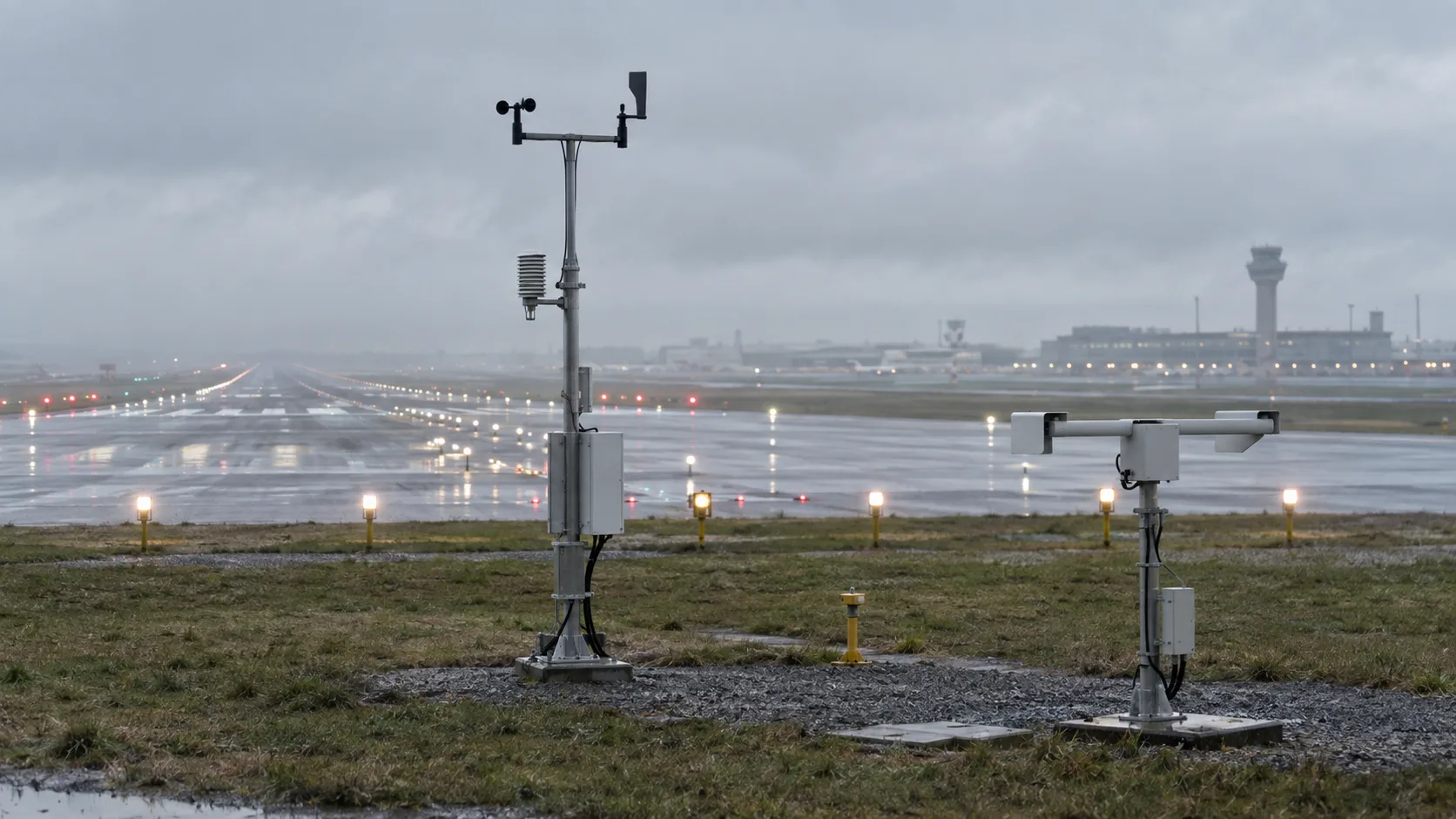
Aviation / critical weather
Specialist systems require dedicated processing, interfaces, redundancy and compliance engineering.
- Measures
- Visibility · present weather · precipitation
- System form
- Separate AWOS / RVR / LLWAS path
How RTPL Delivers.
Four controlled stages connect site assessment to commissioning and lifecycle support.
- 01Site & requirement
Assess
Confirm the monitoring objective, site conditions, siting and exposure, required measurements, and power or communication constraints.
- 02System design
Engineer
Resolve sensor architecture, mast or station configuration, acquisition, power, telemetry and integration.
- 03Commissioning
Deploy
Install and configure the system, then commission and validate it against the agreed requirement.
- 04Lifecycle
Support
Plan calibration and preventive maintenance, troubleshoot faults, and expand the system across its service life where agreed.
RTPL AWS Projects
Begin with the measurement requirement.
Planning an Automatic Weather Station?
Prepare the essential context for a productive engineering discussion.