Meteorological Agencies
Connect the conditions on the ground with the meteorological record your agency needs.
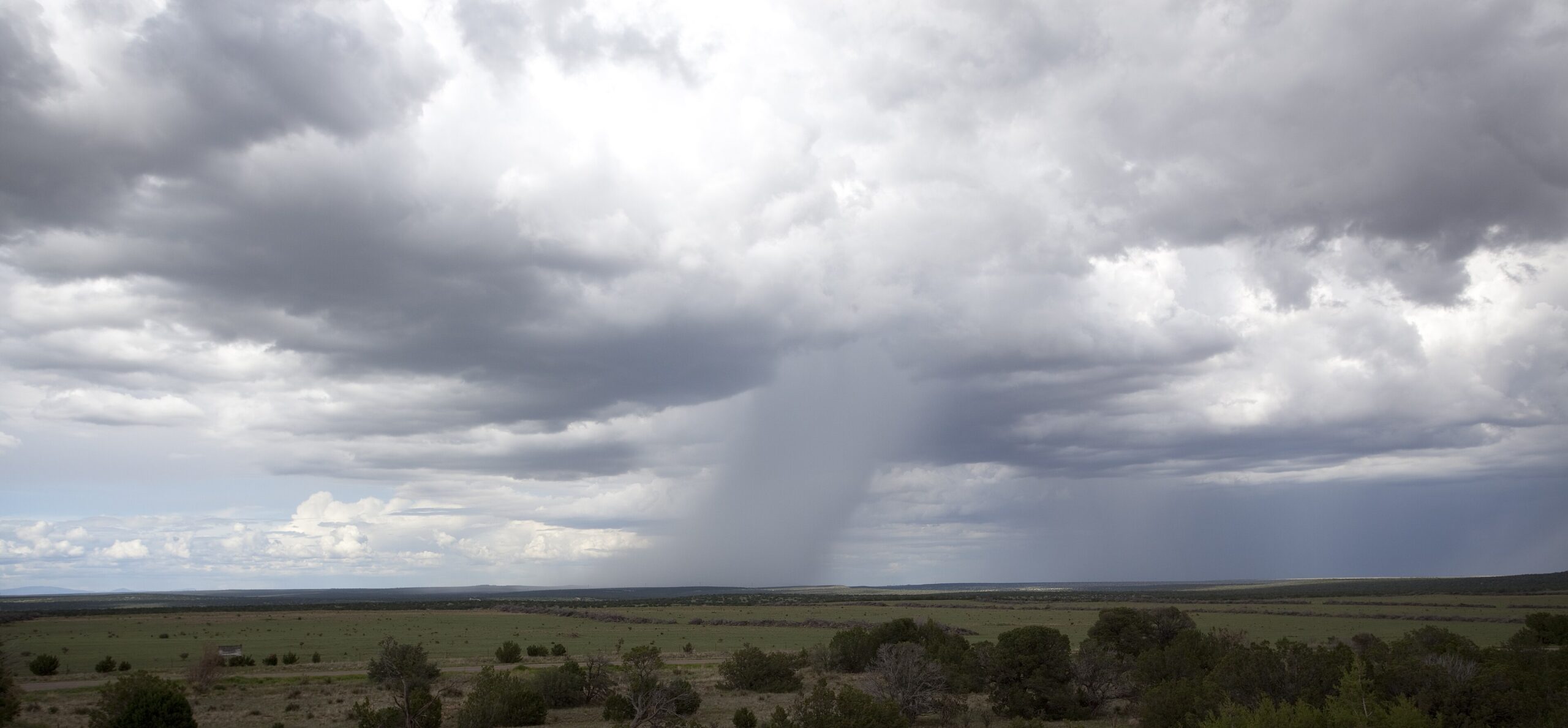
Explore the observation journeyNew Mexico Monsoon 2011 — Leaflet, CC BY-SA 3.0 · Source & license · Cropped for layout.
A clearer picture of the weather starts on the ground.
An observation network has to describe different places, make records comparable, and keep those records useful over time.
Coverage
Choose locations that represent the geography and weather questions the network is intended to serve.
Consistency
Define what is measured, how it is sampled and which measurement details accompany each record.
Continuity
Keep a traceable history of maintenance, changes and interruptions so future comparisons retain context.
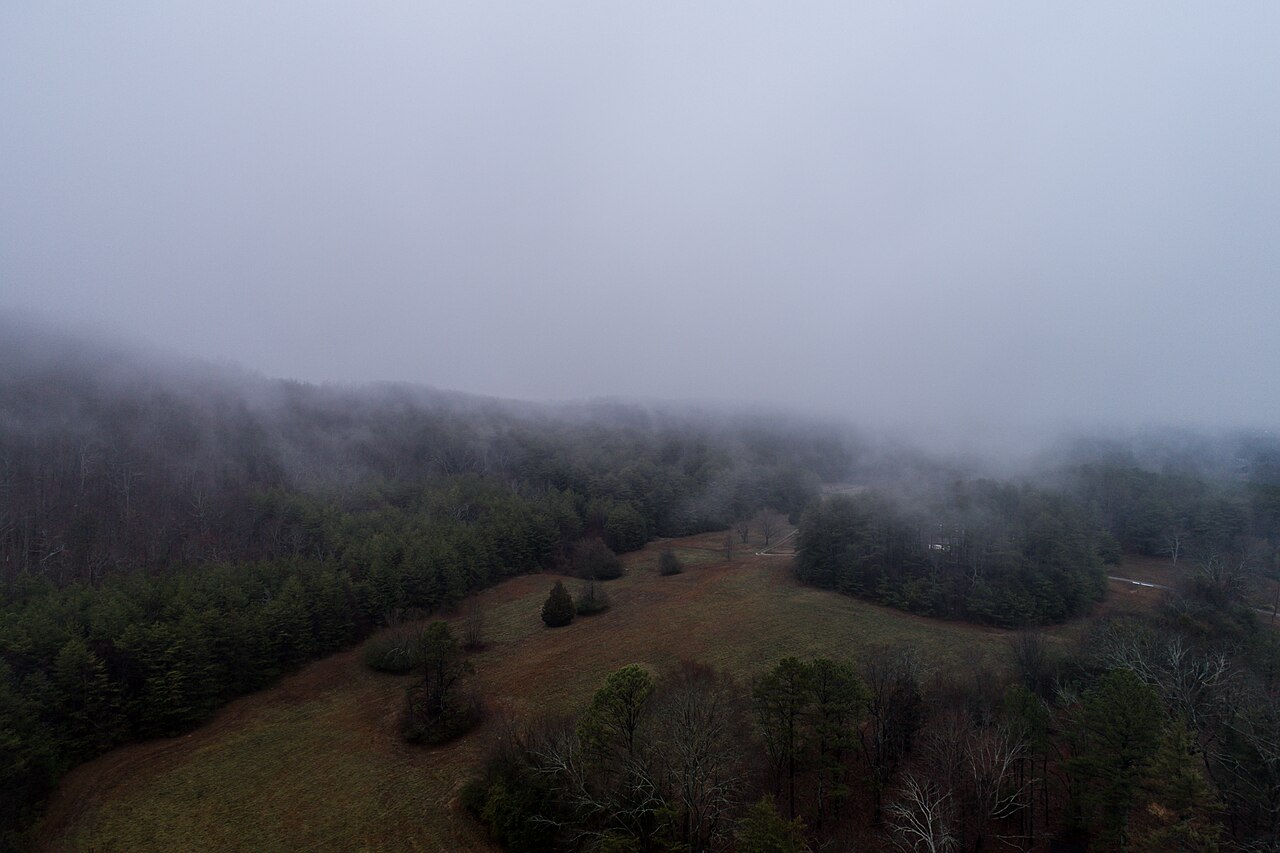
Editorial landscape photo: Nathan Anderson · CC0 source; not an RTPL site.
The weather changes with the landscape. So should the measurement approach.
Coasts, urban centres, elevated terrain and rural land each bring different exposure, access and operating constraints.
Original conceptual terrain illustration; not a geographic map or specific RTPL installation.
The right observations begin with the right questions.
Every parameter adds a different part of the picture. The observing programme defines what needs to be measured.
Temperature & humidity
Describe the thermal and moisture conditions at a site.
Wind speed & direction
Characterise local wind behaviour and changing conditions.
Precipitation
Document rainfall amount, timing and intensity.
Atmospheric pressure
Understand variations in the pressure field.
Solar radiation
Measure incoming solar energy when programme objectives require it.
Specialised observations
Define additional parameters by the agency's observing programme.
An accurate sensor can still tell an incomplete story.
Position, surrounding structures and exposure can influence the meaning of a reading — even when the sensor works correctly.
Considered exposure — site and instrument placement are evaluated against the observing objective.
Potentially affected exposure — nearby structures can influence airflow, heat and representativeness.
Explanatory illustration; not a WMO site classification or engineering installation drawing.
A reading is only the beginning.
Timestamp, station identity, delivery status, quality checks and metadata help an observation become usable beyond the site.
Observe
Measure conditions in the field
Acquire
Record sensor identity and time
Transmit
Carry data from remote sites
Quality-check
Review flags and suspicious values
Record
Retain data with its context
Conceptual agency data workflow; not a claim that RTPL provides all five software functions.
Reliable observations don't end at installation.
Site planning, commissioning, maintenance and documented changes keep observation records meaningful over time.
Plan for the site
Review the location, observing objective, exposure and site access.
Specify the system
Match sensors, acquisition, power and telemetry to requirements.
Commission and verify
Document installation, configuration, checks and baseline condition.
Maintain and document
Record calibration, outages, replacements and changes over time.
Start with the measurement. Then choose the instrument.
Explore complete weather observation systems or go directly to individual instrumentation and acquisition options.
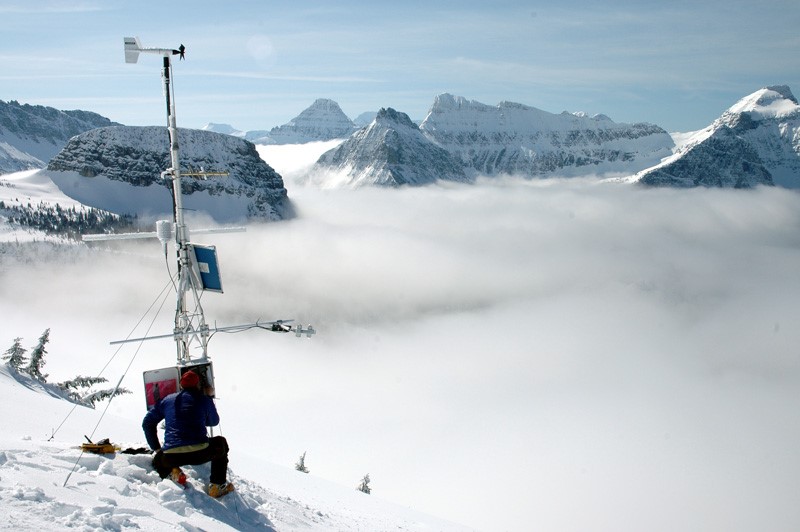
Automatic Weather Stations
Understand sensor selection, data acquisition, power and communications in a complete weather observation system.
Explore AWS solution ↗Instruments & acquisition
Explore all meteorological instruments ↗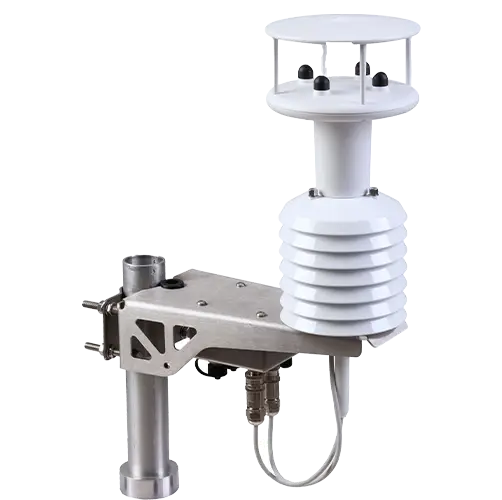 Gill Instruments · weather-station family
MetConnect
Multi-parameter weather station with model-dependent additional sensor inputs.
View product ↗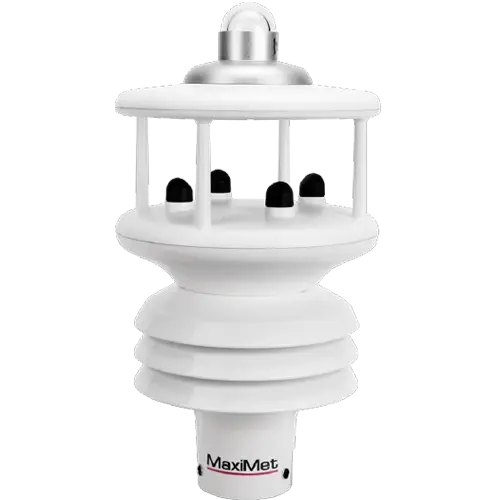 Gill Instruments · compact weather stations
MaxiMet
Compact station family. Parameters depend on the selected model and configuration.
View product ↗ Acquisition and recording
Data logging options
Review logging requirements, supported interfaces and instrument selection.
View product ↗Instrument configuration and suitability must be confirmed for the observing programme.
Planning a measurement system?
Tell us what you need to measure, where the system will operate, and what record you need.