
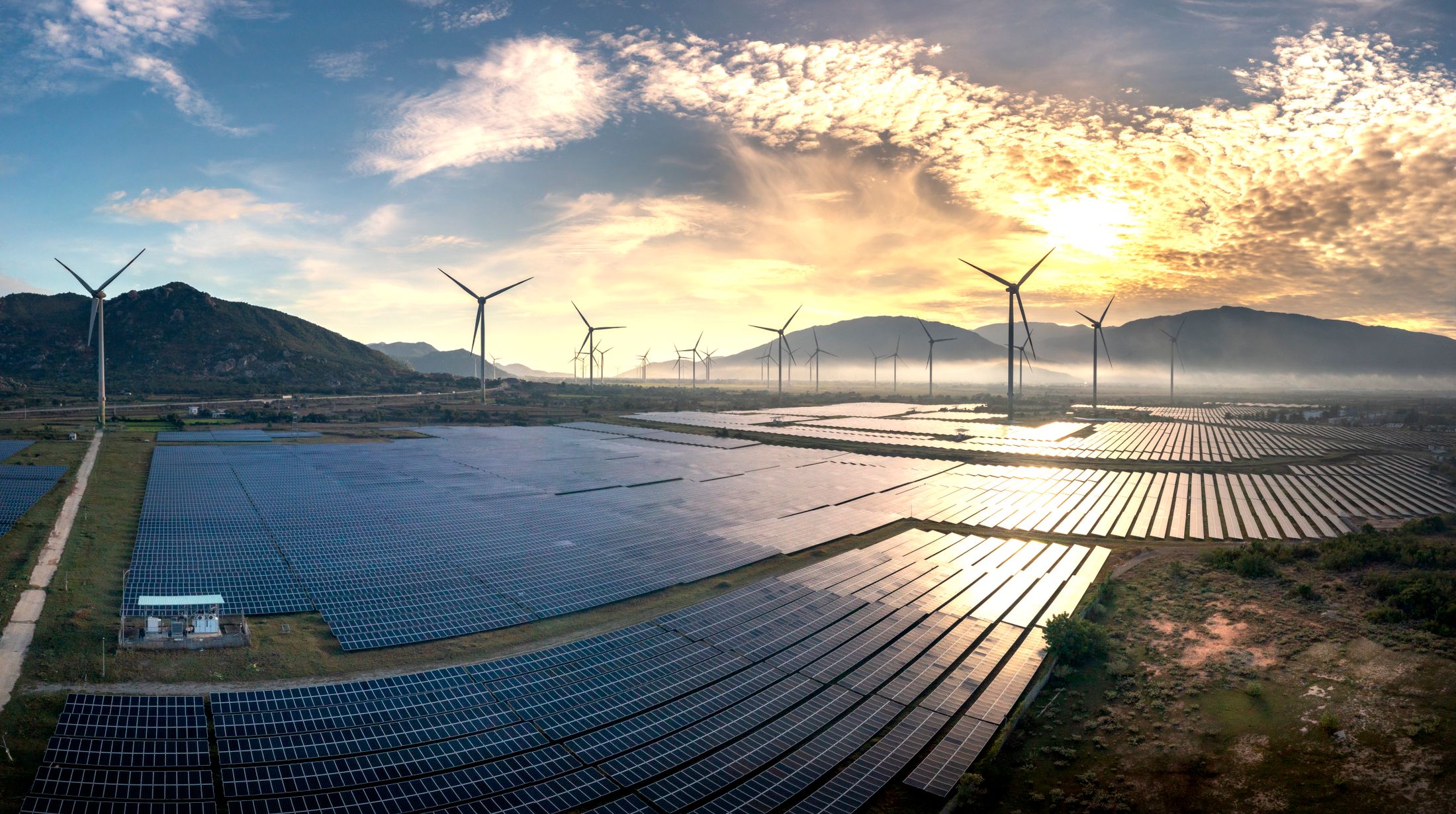
Renewable Energy
Wind and solar measurement systems for site assessment and performance monitoring.
Explore Measurement ApplicationsThe resource is natural. The measurement must be deliberate.
Wind and sunlight vary with place, environment and time. Useful observations begin with the decision they need to support.
- Resource conditions
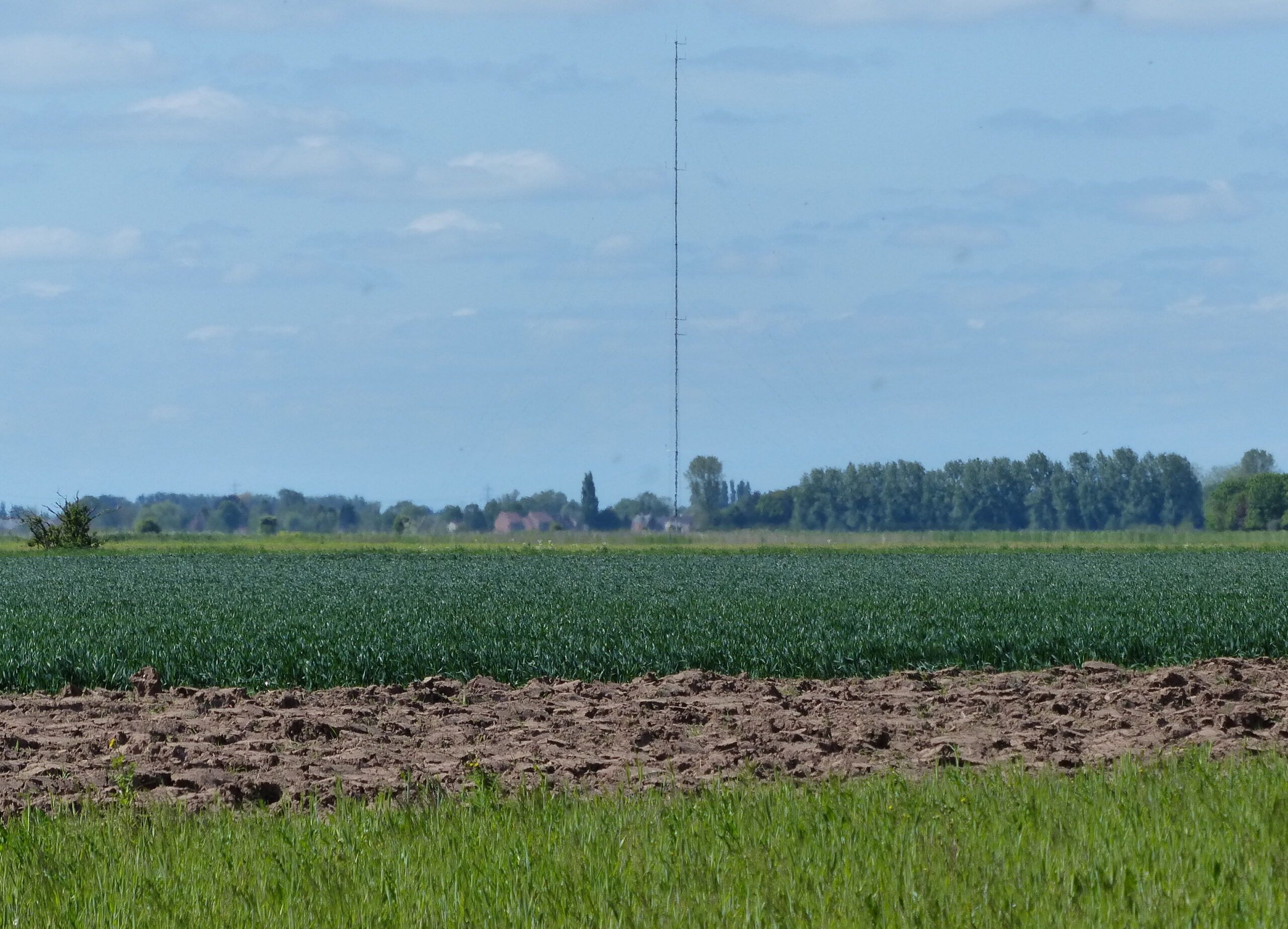
- Terrain, sky view and local weather shape what an instrument observes.
- Placement
- Height, orientation and nearby obstructions define the measurement context.
- Duration
- A useful campaign captures variation relevant to the study, beyond a single day.
- Data quality
- Calibration records, field checks and documented gaps make a record reviewable.
Different resources. One need for reliable observations.
Follow the measurement pathway that fits your resource and project.
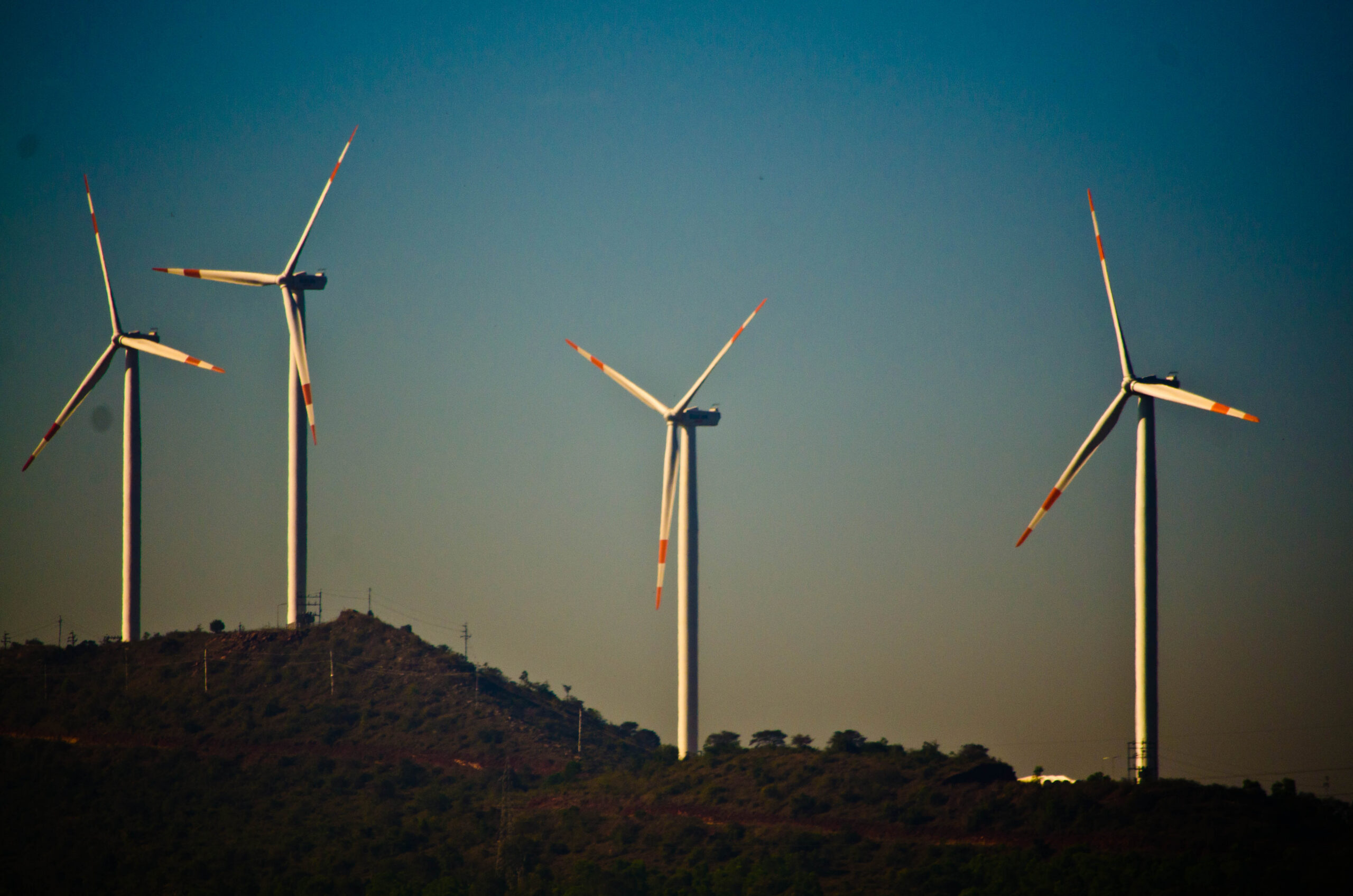
Wind Resource
Assessment & Monitoring
Understand airflow at the site and across the measured height range.
Explore wind measurement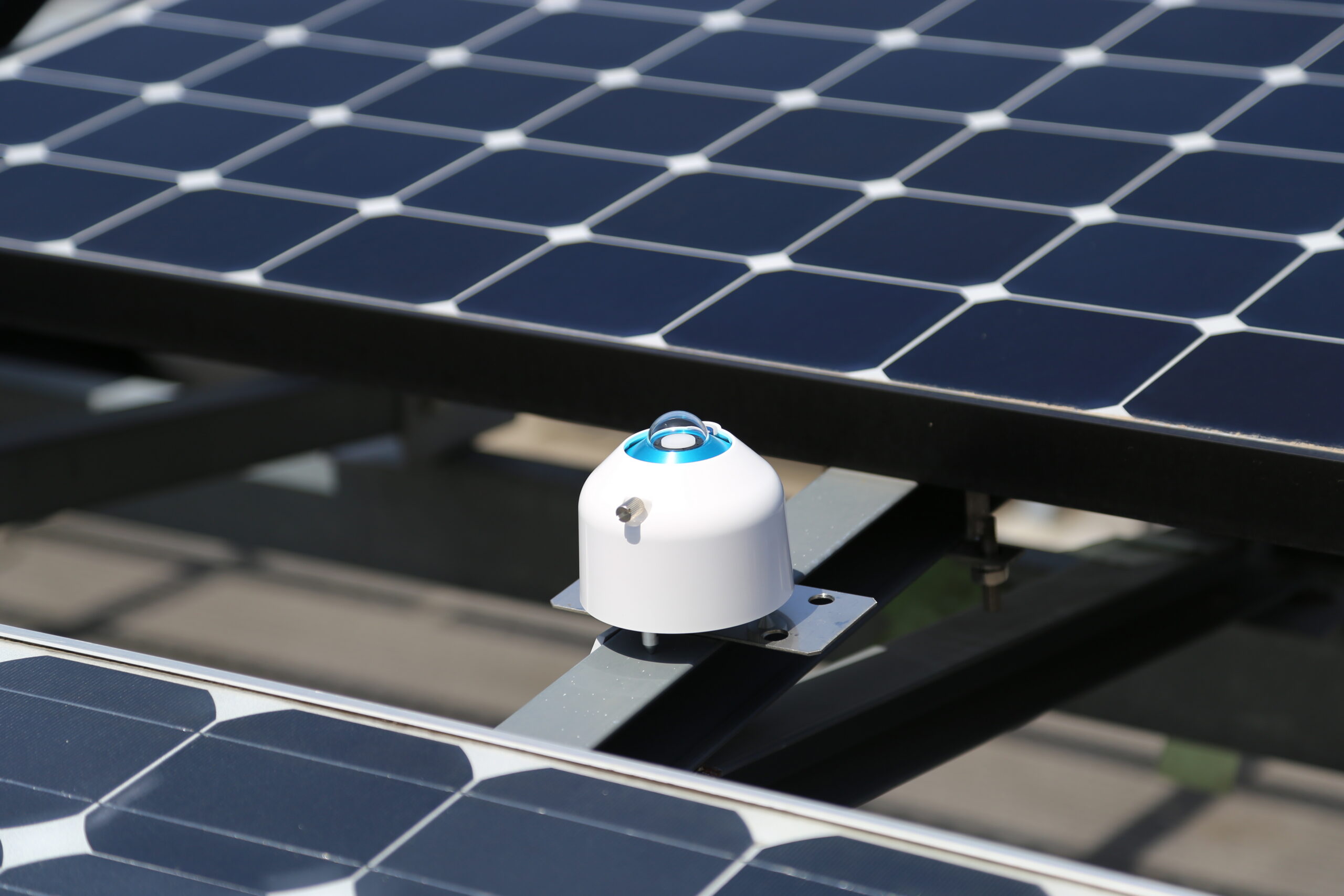
Solar Resource
Monitoring
Understand incoming radiation and the surface receiving it.
Explore solar measurementThe question changes as a project develops.
Define the observations around the decision, then protect the continuity of the record.
- 01
Site Assessment
Is this a site to investigate further?
- Wind
- Characterise exposure and local airflow; define representative measurement positions.
- Solar
- Observe the radiation components relevant to the project and assess sky obstructions.
- Record
- Document site context, observation periods and gaps before comparing options.
- 02
Detailed Measurement
What does the site record establish?
- Wind
- Resolve speed, direction and vertical context with a defined sensor and mounting plan.
- Solar
- Specify GHI and, where needed, tracked DNI, shaded DHI or the receiving plane.
- Record
- Keep timestamps, calibration references, configuration and quality checks traceable.
- 03
Plant Operation
Under what conditions did the plant operate?
- Wind
- Record relevant atmospheric conditions alongside the operating asset's own records.
- Solar
- Match irradiance to the array plane; add module temperature or soiling context as needed.
- Record
- Maintain aligned records and service history so interruptions can be understood.
Measurement requirements evolve with the project. Instrument selection, campaign duration and delivery scope are agreed for each site.
A reading is only the beginning.
A useful record preserves what was measured, how it was recorded and what happened along the way.
Sensors
Define the parameter, sensor identity, location and exposure.
Identity + calibrationData Acquisition
Align channels, units, timestamps and recording intervals.
Configuration + timePower &
CommunicationsPlan energy availability, local retention and the agreed retrieval route.
Continuity + accessData Quality
& ContextReview flags, gaps, maintenance and changes in configuration.
Checks + field historyReviewable
RecordKeep the observations and their supporting documentation together.
Completeness + traceability
The instruments behind the record.
Explore selected RTPL-listed instruments by the role they play in a measurement system.
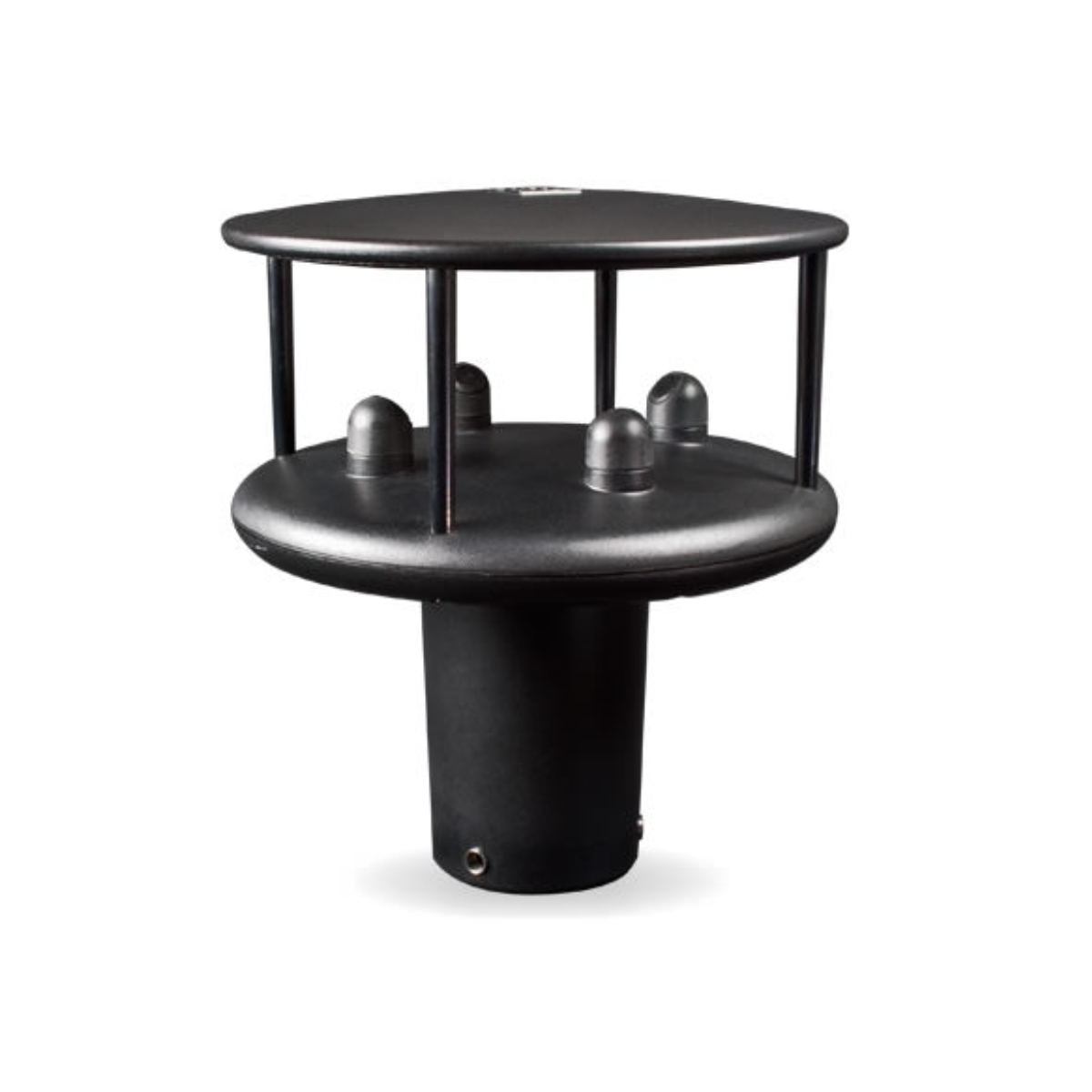
WindSonic
Gill InstrumentsUltrasonic observation of horizontal wind speed and direction.
View instrument
MS-80SH
EKO InstrumentsSolar irradiance observation on a defined receiving plane.
View instrument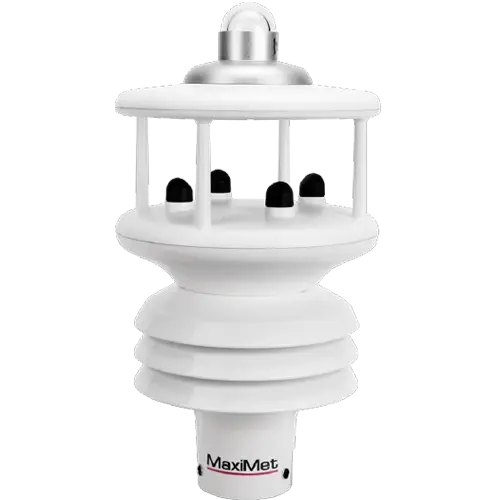
MaxiMet
Gill InstrumentsSupporting weather observations, with parameters defined by model.
View instrument
RE-42A
RTPL catalogueMultichannel data acquisition for configured sensor inputs.
View instrument